Complete Guide to Proper Dumpster Loading
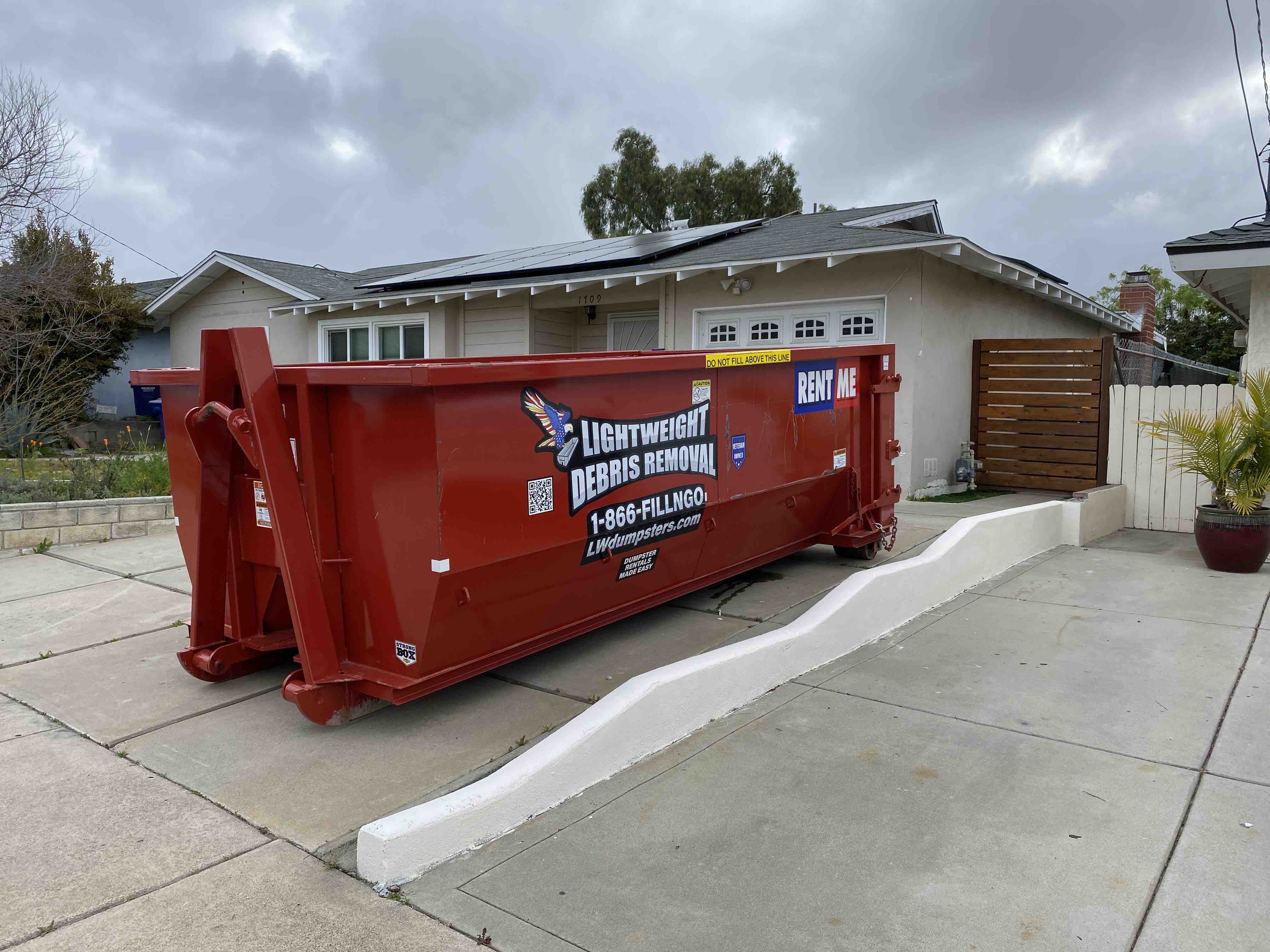
When handling a cleanup, remodeling, or construction task, it may seem that loading a dumpster is straightforward. But the way items are positioned affects how efficiently you use space, how safely you work, and how quickly you finish. Many people overlook the importance of proper dumpster loading, which can cause space loss, safety hazards, and unnecessary project delays.
At Lightweight Debris Removal, we emphasize that proper dumpster loading is just as vital as choosing the right container size. A systematic method allows you to fully utilize your dumpster and maintain a safe work zone. Our aim is to help customers gain the most from their rentals by teaching proper loading techniques that reduce mess, prevent breakage, and simplify disposal.
Organizing Before You Begin Loading
Before filling the dumpster, taking time to organize is essential. Evaluate the debris you plan to throw away and separate recyclables or items needing careful handling. Sorting ahead of time promotes a smooth workflow and limits the need for reorganization later. Separating risky materials improves safety and prevents potential accidents.
Mapping out the order of loading matters just as much. Start by positioning large, heavy pieces at the bottom for balance. Afterward, lighter materials can be layered on top to fill in spaces. Smart preparation reduces the risk of load shifting or tipping during pickup. This approach improves both safety and efficiency throughout the job.
Using Space Efficiently
Effective space management is essential for optimal dumpster use. Large or bulky debris should be dismantled to conserve room. Crushing or flattening materials helps create more usable space. This lets you load more effectively and maintain even weight distribution.
Another good method is layering your load properly. Use sturdy flat pieces as a bottom layer. Add lighter debris in between to fill open spaces. Avoid stacking debris past the dumpster’s top edge to maintain safety. Layering effectively ensures a neater, safer, and more productive loading experience.
Ensuring Safety While Loading a Dumpster
Keeping safety in mind throughout the loading process is vital. Protect yourself with gloves, proper footwear, and durable clothing to avoid harm. Before you start, ensure the area is free from obstacles or tripping hazards. Being aware of your surroundings supports a safer environment for everyone involved.
Do not hurl or drop debris from afar into the container, since this could result in shifting, accidents, or property harm. Instead, place objects deliberately and with control. Seek help when lifting oversized objects to prevent strain or accidents. A mindful focus on safety safeguards your team and ensures smooth, efficient loading overall.
Efficiently Sorting and Arranging Materials
Sorting materials before and during dumpster loading is one of the best ways to maintain order. Keep comparable debris types—such as wood, metal, or general trash—segregated. This practice makes loading and unloading smoother while simplifying disposal later. It also helps identify recyclable items, cutting down waste and supporting eco-friendly practices.
Proper organization eliminates the hassle of moving things around later. Place lightweight materials such as cardboard or fabric on top, while heavy objects go below. By organizing weight properly, the dumpster remains secure and tidy. Consistent organization results in a faster, safer, and more productive cleanup process overall.
Protecting Your Property During Dumpster Use
Dumpsters are durable, but the property underneath may need protection. Lay down wooden boards or protective padding to spread weight and guard driveways. Taking this measure prevents cracks, scratches, and wear during use.
Choosing the right placement location is just as important. Opt for a stable, easy-to-reach area that won’t obstruct entryways or paths. Avoid positioning the dumpster too close to structures or landscaping features that could be damaged. Thoughtful setup ensures a smooth experience and minimizes potential property risks.
Maximizing Efficiency for Large Projects
Handling large projects often means managing continuous waste flow. Set up a designated area to collect and organize debris before dumping it in. Doing this ensures the container fills evenly and prevents the need for re-sorting.
Teamwork and clear communication are essential to efficient operations. Divide responsibilities among your team to maintain consistent progress. When everyone knows their tasks, the process runs faster and stays organized. Effective preparation and teamwork are key to timely, complication-free completion.
Understanding Restricted Dumpster Items
Certain items aren’t permitted in regular dumpsters, making awareness essential. Materials like paints, batteries, and chemicals require special disposal methods. Dumping restricted materials risks pollution and additional disposal problems. Always confirm what’s allowed before starting to load your dumpster.
Avoid exceeding the dumpster’s weight or fill limit to prevent safety risks. Overweight dumpsters can be unsafe and cause additional service fees. By following proper load limits, you support responsible waste management. Being mindful of what and how much you load ensures smooth pickup and transport.
Choosing a Dependable Dumpster Rental Partner
Partnering with a trustworthy service improves your overall project results. Lightweight Debris Removal offers expert dumpster rental services designed for both homeowners and contractors. Our team assists from delivery through pickup, offering consistent, timely, and hassle-free support.
Choosing a service dedicated to client satisfaction ensures smoother operations. Attention to detail, communication, and timeliness create successful outcomes. Lightweight Debris Removal is devoted to helping clients achieve organized, secure, and efficient results through expert guidance and responsible use.
Building a Well-Structured and Productive Work Area
The way you load your dumpster can significantly affect project performance. A clean, well-kept work area enables check here smooth task flow and better teamwork. With smart loading strategies, cleanup becomes an effortless part of the workflow.
Lightweight Debris Removal reminds customers that dumpster loading is about more than getting rid of waste. It’s a chance to boost safety, save time, and protect your surroundings. By planning ahead and working smartly, you can make waste removal a seamless part of every project.